Adaptive reuse: Transforming African cities through repurposing
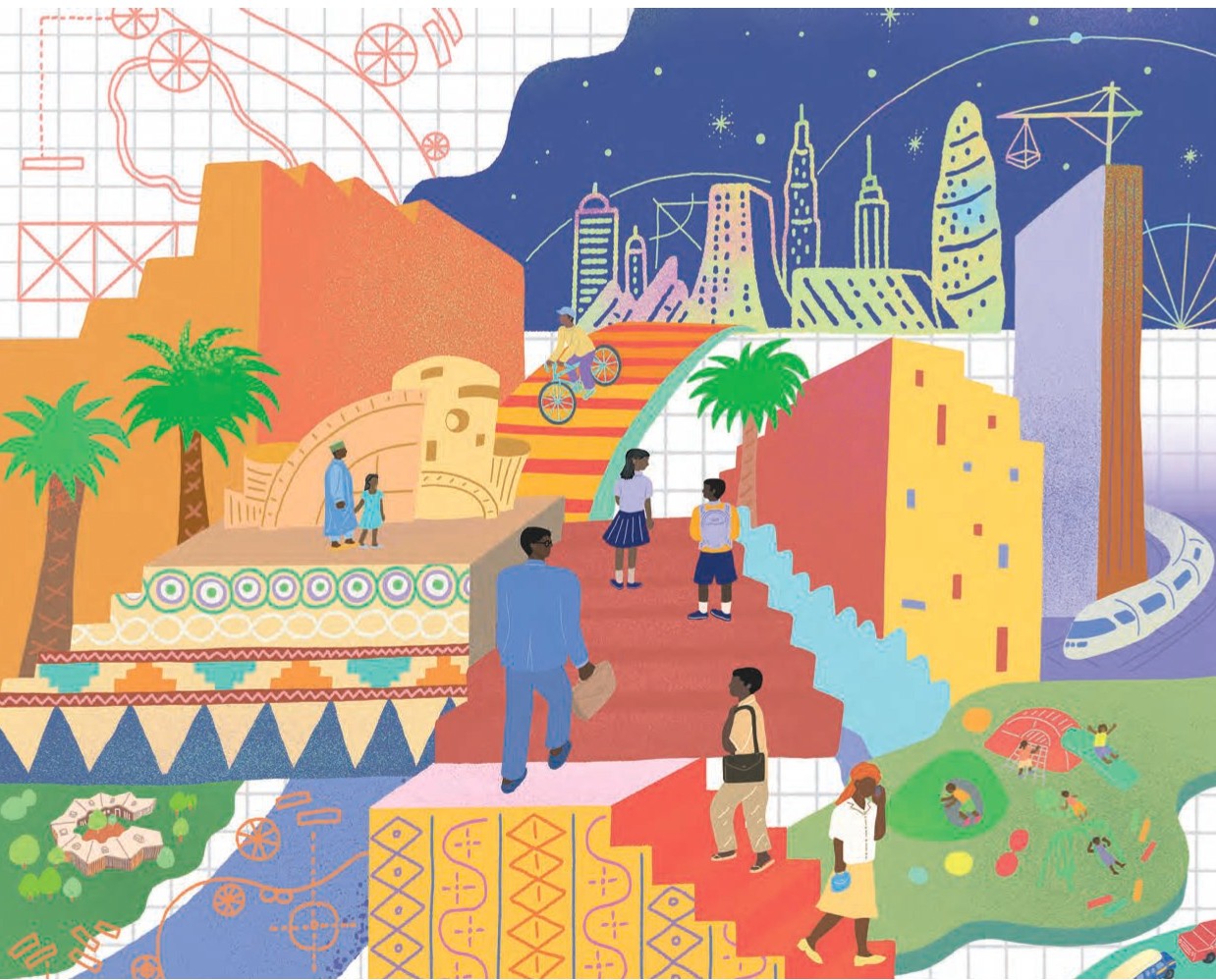
Urban growth in African cities is increasingly constrained by land scarcity and aging infrastructure. Adaptive reuse provides a pragmatic pathway by converting existing buildings into higher-value, functional spaces rather than pursuing full demolition and reconstruction. Evidence from urban redevelopment studies shows that retrofit strategies reduce embodied carbon while improving spatial efficiency in dense cities.
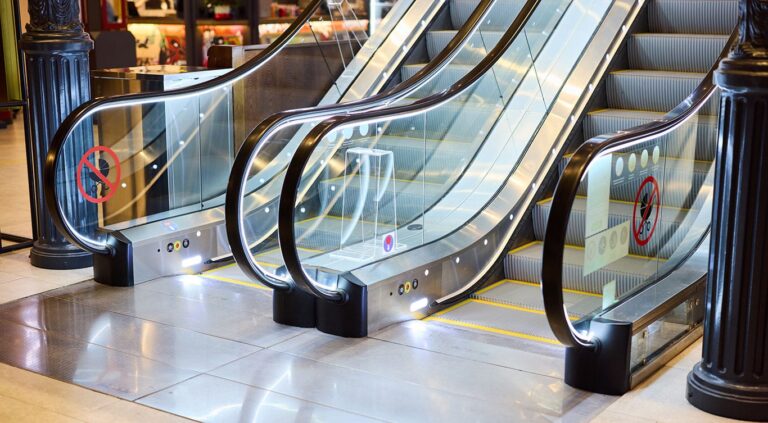
Elevator systems are central to this transformation. Vertical mobility determines whether older buildings can be safely and efficiently repurposed for modern commercial, residential, and mixed-use functions. Without reliable lift systems, adaptive reuse remains structurally incomplete.
ZEECON operates from Uganda with a focus on installation and maintenance of elevator systems across African cities. The company supports building conversions by integrating lift solutions that meet heavy-load demands, continuous operation requirements, and modern safety standards.
Field applications include factories, warehouses, markets, and malls where repurposed infrastructure must sustain high traffic intensity. In such contexts, system robustness and lifecycle maintenance determine operational continuity.
Adaptive reuse is not a design preference. It is an economic and environmental necessity. Reliable elevator infrastructure enables cities to extend the life of existing assets while increasing urban productivity and accessibility.